Speak English Like an Artist: Everyday Art Phrases
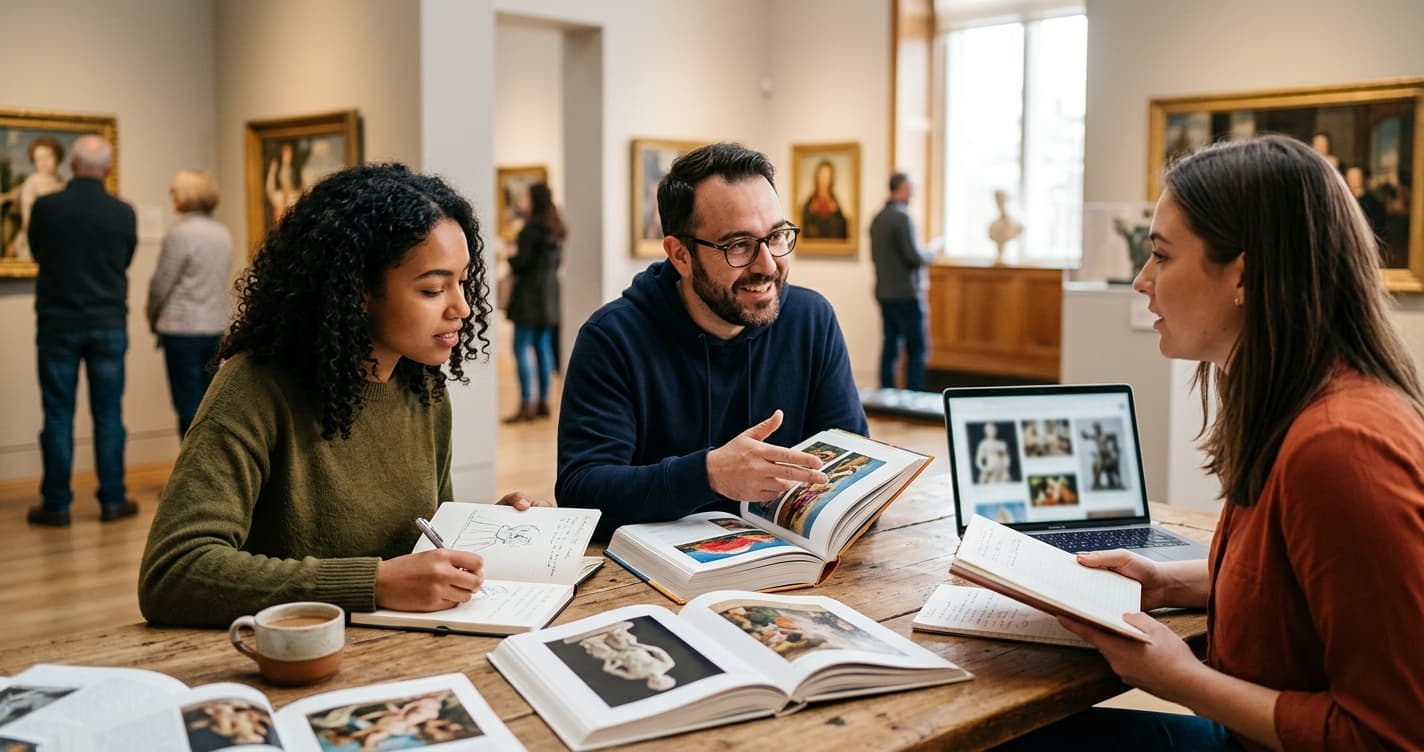
Welcome to the World of Art in English
Art is a universal language. However, when you visit a museum or talk to an artist, you need the right English words. Do you enjoy looking at paintings? Do you like taking photos? Or maybe you just want to understand what people say in an art gallery. If you are learning English, talking about art is a great way to practice.
At See Guru, we help students learn English with private tutors. Today, we will learn useful everyday English phrases and expressions about art. We will use simple words so you can understand easily and start speaking confidently!
Why Learn English Phrases About Art?
You might ask, "Why should I learn art vocabulary?" There are many good reasons to learn these words:
- Traveling: When you visit famous places like London, Paris, or New York, you will probably go to museums. Knowing art words helps you read the signs and understand the tour guides.
- Making Friends: Art is a great topic for small talk. You can ask people about their favorite artists, photographs, or styles.
- Expressing Feelings: Art helps us talk about our emotions. Learning these words helps you say exactly how you feel in English.
Basic English Vocabulary for Art
Before we learn long phrases, let's look at some basic words. These are words you will see in almost every museum or art gallery around the world.
First, an artist works on a canvas. This is the strong cloth they paint on. Before they paint, they usually make a sketch, which is a quick and simple drawing using a pencil. When the painting is completely finished, it goes to an exhibition. An exhibition is a special public show where people can look at the art.
Sometimes, an artist makes a masterpiece. This is their best, most famous, and most excellent piece of work. For example, the Mona Lisa is a very famous masterpiece. You can see masterpieces in a gallery, which is a building or a large room specifically for showing art.
Different Kinds of Art
There are many different styles of art. Here are some simple English words to describe them:
- Portrait: This is a picture or painting of a person's face. If you draw a picture of yourself, it is called a self-portrait.
- Landscape: This is a picture of nature. It shows beautiful outdoor places like mountains, trees, rivers, or the ocean.
- Sculpture: This is not a flat picture. It is a 3D object made by shaping stone, wood, metal, or clay.
- Abstract: This kind of art does not look like real things or people. It uses shapes, lines, and colors to show feelings and ideas.
Asking Questions About Art
When you are in an exhibition, you might want to ask questions. Asking questions is a wonderful way to start a conversation in English. Here are some simple questions you can use:
- "Who is the artist?" - Use this when you want to know who painted or created the piece.
- "When was this created?" - This helps you learn the age of the artwork. Was it made recently, or is it hundreds of years old?
- "What medium did they use?" - The word medium means the material the artist used, like oil paint, pencil, or clay.
- "What is the story behind this piece?" - Many paintings have an interesting history. This question asks the guide to explain the deeper meaning.
Useful Phrases to Share Your Opinion
When you look at art, friends or teachers will ask, "What do you think?" Here are some useful everyday English phrases to answer them nicely.
When You Like the Art
If you think a painting or sculpture is beautiful, you can use these common phrases:
- "I am drawn to this painting." - This means the painting catches your eye, and you want to look at it more.
- "It really speaks to me." - This means the art makes you feel a strong emotion. You feel a personal connection to it.
- "The colors are so vibrant." - Use this when the colors are very bright, strong, and full of energy.
- "It is absolutely breathtaking." - This means the art is so beautiful that it takes your breath away.
When You Do Not Like the Art
Sometimes, you do not like a piece of art. That is completely okay! You can say it politely in English:
- "It is not really my cup of tea." - This is a very common English idiom. It means "I do not like it" but in a very polite and gentle way.
- "I don't quite get it." - Use this when you do not understand what the artist is trying to say. People often say this about abstract art.
- "It's a bit too dark for me." - You can use this if the painting has dark colors or gives you a sad and scary feeling.
Everyday English Idioms from the Art World
English speakers love to use idioms. Idioms are special phrases that have a different meaning from the individual words. Many common English idioms actually come from art. Let's look at a few fun examples you can use every day!
To paint a picture
We do not always use this for real paint. In conversation, it means to describe something very well with words so people can imagine it. Example: The tour guide painted a picture of how the kings lived long ago.
To draw a blank
This means you cannot remember something. Your mind is like an empty piece of paper. Example: I tried to remember the name of the museum, but I drew a blank.
State of the art
This phrase means something is very modern and uses the newest technology. We often use it for phones, computers, or buildings, not just art. Example: This new hospital has state-of-the-art medical equipment.
Blank canvas
A blank canvas is totally empty. As an idiom, it means a fresh start or a new beginning where anything is possible. Example: Moving to a new city is like starting with a blank canvas.
How to Practice Your Art Vocabulary
Learning new words is great, but you must use them so you do not forget! How can you practice these everyday English phrases?
First, try looking at pictures online. Find a famous museum's website. Look at a painting and try to describe it out loud. Is it a portrait or a landscape? Are the colors vibrant? Do you like it, or is it not your cup of tea?
Second, talk to a real person! At See Guru, you can book online lessons with friendly private English tutors. You can show your tutor your favorite picture and practice your new vocabulary. Your tutor will listen, help you fix your mistakes, and teach you to speak more naturally.
Frequently Asked Questions (FAQ)
How can I learn English art vocabulary quickly?
The best way to learn quickly is to use the words in context. Watch English videos about art on YouTube, visit virtual museum tours in English, and try to describe the art you see using words like landscape, portrait, and masterpiece.
What does "not my cup of tea" mean in art?
This is a polite everyday English idiom. If you say a painting is "not my cup of tea," it simply means you do not like it or you prefer a different style. You can also use this phrase for food, movies, sports, and music!
Can I practice speaking English about art on See Guru?
Yes, absolutely! On See Guru, you can choose your private tutor and tell them you want to talk about art. They will prepare a special conversational lesson to help you practice these everyday English phrases.
Vocabulary
| English | Translation | Example |
|---|---|---|
| Masterpiece A very famous and excellent piece of art created with great skill. | Masterpiece | The Mona Lisa is considered Leonardo da Vinci's greatest masterpiece. |
| Exhibition A public show of art or other interesting things in a museum or gallery. | Exhibition | We went to a wonderful photography exhibition yesterday. |
| Landscape A painting or photograph of nature, like mountains, forests, or rivers. | Landscape | He loves painting beautiful landscapes when he travels to the countryside. |
| Portrait A painting, drawing, or photograph of a person's face. | Portrait | She painted a very realistic portrait of her best friend. |
| Abstract Art that uses shapes and colors to show ideas, not real objects or people. | Abstract | I don't always understand abstract art, but I like the bright colors. |
| Sculpture Art made by shaping solid materials like stone, wood, metal, or clay. | Sculpture | There is a beautiful marble sculpture of a horse in the park. |
| Canvas The strong, heavy cloth that artists use to paint on. | Canvas | The artist put fresh oil paint onto the blank canvas. |
| Gallery A room or building where people can look at and buy art. | Gallery | We spent the whole afternoon walking through the modern art gallery. |
| Sketch A quick and simple drawing, often done to prepare for a larger painting. | Sketch | He made a quick sketch of the building in his notebook. |
| Vibrant Very bright, strong, and full of energy (usually describing colors). | Vibrant | The flowers in the painting are painted in vibrant reds and yellows. |
| To draw a blank An idiom meaning you cannot remember something or cannot find an answer. | To draw a blank | I tried to remember the artist's name during the test, but I drew a blank. |
| State of the art An idiom meaning very modern and using the newest technology or methods. | State of the art | The museum recently installed a state-of-the-art security system. |
Grammar Tip: Order of Adjectives for Describing Art
When we talk about art, we often use more than one adjective to describe it. In English, adjectives must follow a specific order. The general rule is: Opinion + Size + Age + Shape + Color + Origin + Material.
- Opinion: beautiful, ugly, interesting
- Size: large, small
- Age: old, new, modern
- Color: red, blue, dark
- Material: wooden, bronze, oil
Examples:
- Look at that beautiful large old painting! (Opinion, Size, Age)
- It is an interesting modern bronze sculpture. (Opinion, Age, Material)
Remember this simple rule to sound much more natural when describing your favorite masterpieces!
Ready to practice these words?
Book a private English lesson on See Guru and practice in real conversation!
Start Learning