Learn English Reading: The Power of Colors in Design
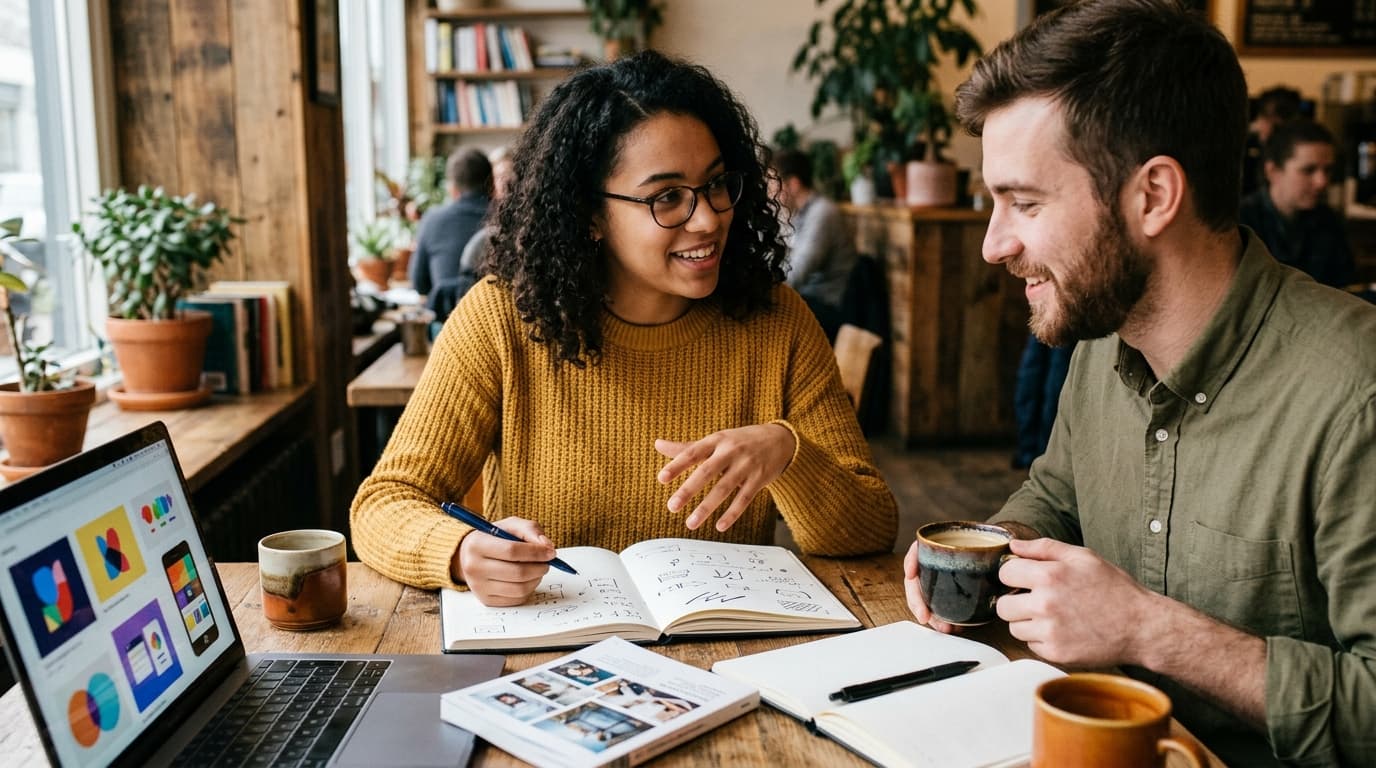
Welcome to the World of Color Design
Welcome to another fun English reading practice! Today, we are going to talk about a very interesting part of our everyday lives: design. Have you ever thought about why some rooms make you feel sleepy, while other rooms make you feel full of energy? The answer is often related to design. Specifically, it is about the color choices that designers make when they create a space or a product.
Reading about interesting topics like design is a fantastic way to improve your English. It helps you learn new vocabulary in a natural way. It also helps you see how English grammar works in real sentences. Today, we have prepared a short reading passage for A2 and B1 English learners. Let's read about how colors in design can change our feelings and our moods.
Reading Passage: How Colors Change Our Feelings
Design is everywhere around us. It is in the clothes we wear, the websites we visit on our phones, and the rooms we live in. A very important part of good design is color. Colors are not just pretty to look at. They can actually change how we feel and what we do. This interesting idea is called color psychology. Professional designers understand this idea very well. They use colors to send us hidden messages and change our behavior.
The Power of Red
Think about your favorite fast-food restaurant. What colors do you see on the building? You probably see a lot of red and yellow. Red is a very strong and powerful color. It actually makes our hearts beat a little bit faster. It also makes us feel hungry and excited. That is why many restaurants use red in their logos and dining rooms. They want you to feel hungry, eat your food quickly, and feel excited about your meal.
However, red can also mean danger or importance. Think about traffic lights and stop signs on the street. Designers use red when they want you to stop and pay attention immediately. It is a color that you cannot ignore.
The Calmness of Blue
Now, think about a bank, a hospital, or a dentist's office. You will often see the color blue in these places. Blue is the opposite of red. Instead of giving us energy, blue lowers our heart rate and helps us feel calm and relaxed. It reminds us of the sky and the ocean.
When designers use blue, they want you to feel safe. They want you to trust them. Many technology companies and social media websites also use blue. They do this because they want you to feel comfortable spending a long time looking at their pages without feeling tired.
The Happiness of Yellow
Yellow is the color of the sun. It is a very bright, warm, and happy color. Designers use yellow to catch your eye and make you feel cheerful. It is a great color to make people smile.
But, designers must be very careful with yellow. Too much yellow in a room can make people feel nervous, angry, or tired. It is a great color for small details or small signs, but it is usually too bright to paint a whole bedroom yellow.
The Nature of Green
Green is the color of trees, grass, and nature. It makes us feel peaceful, fresh, and healthy. Today, many companies want to show that they care about the environment. They use green in their design to tell customers, "Our products are natural and good for the planet."
Green is also very easy on the human eye. It does not make our eyes tired. Because of this, it is a very good color for places where people need to relax, study, or concentrate on a difficult task.
Why Designers Use Color Psychology
As you can see from the reading passage, colors are very powerful tools. When a designer creates a new product, a website, or a room, they always ask themselves: "How do I want the customer to feel?"
If they design a bedroom, they might choose soft blue colors to help people sleep well. If they design a gym for exercising, they might use bright red or orange to give people energy for their workout. If they design a hospital waiting room, they will use soft green or blue to stop people from feeling scared.
Understanding this makes looking at the world much more interesting! Next time you go shopping, walk down the street, or look at an advertisement on your computer, stop and look at the colors. Ask yourself why the designer chose those specific colors. What feeling are they trying to give you?
How to Practice English with This Text
To get the best results from this reading passage, you should actively practice your English. Here are three simple exercises you can do right now:
- Read Out Loud: Read the passage again, but this time, speak the words out loud. This will help you practice your English pronunciation and speaking rhythm.
- Write a Summary: Close your computer or phone. Try to write a short summary of the text using your own words. Write three or four sentences about what you learned.
- Describe Your Room: Look around the room you are in right now. What colors do you see? Try to write three sentences in English about the design of your room and how the colors make you feel.
Practicing like this helps move new vocabulary words from your short-term memory to your long-term memory. It makes you a better and more confident English speaker.
Improve Your English with See Guru
Reading short English texts about topics like design is a great first step. But if you really want to become fluent in English, you need to practice speaking with a real person! At See Guru, you can find professional, private English tutors from all over the world.
Your private tutor can help you practice talking about design, art, business, travel, or any other topic you love. They will listen to you speak, correct your grammar mistakes gently, and help you speak with confidence. Whether you are an A2 beginner or a B2 intermediate student, a private tutor is the best way to learn. Book a lesson on See Guru today and take your English to the next level!
Frequently Asked Questions (FAQ)
How can reading about design improve my English?
Reading about specific topics like design helps you learn new, specialized vocabulary. It also shows you how native English speakers structure their sentences. Because the topic is interesting and relates to real life, you will remember the new words much more easily than if you just memorized a list.
What is the best English level for this reading passage?
This text is written for A2 (Pre-Intermediate) to B1 (Intermediate) English learners. The sentences are simple and clear, and the vocabulary is very useful for everyday conversations. If you understand most of this text, you are doing a great job with your English studies!
Can I learn English with a private tutor on See Guru?
Yes, absolutely! See Guru connects you with experienced, private English tutors. You can easily choose a tutor that fits your personal schedule and your budget. They will help you practice speaking, reading, listening, and grammar in a 1-on-1 online classroom.
Vocabulary
| English | Translation | Example |
|---|---|---|
| Design The plan or drawing made to show how something will look and work before it is built or made. | Design | The design of this new smartphone is very modern and beautiful. |
| Psychology The scientific study of the human mind and how it affects behavior and feelings. | Psychology | Color psychology explains why the color red makes us feel hungry. |
| Hidden Kept out of sight; not easy to see or notice. | Hidden | The designer put a hidden message in the company's new logo. |
| Immediately Right now; without waiting any time at all. | Immediately | When you see a red traffic light, you must stop your car immediately. |
| Opposite Completely different from something else. | Opposite | Cold is the opposite of hot, and in design, blue is often the opposite of red. |
| Relaxed Feeling calm, comfortable, and not worried about anything. | Relaxed | Listening to soft music and looking at blue walls makes me feel relaxed. |
| Comfortable Providing physical ease and relaxation; feeling good in your environment. | Comfortable | This green chair is very comfortable to sit in while I read. |
| Cheerful Happy, positive, and smiling. | Cheerful | Yellow is a bright color that makes people feel cheerful on a sunny day. |
| Concentrate To focus all your attention and thoughts on one specific thing. | Concentrate | I need a quiet room to concentrate on my difficult English homework. |
| Powerful Having a lot of strength, force, or effect on people. | Powerful | Colors are powerful tools in marketing, business, and daily design. |
| Advertisement A picture, short video, or text that tells people to buy a product or service. | Advertisement | I saw a very funny advertisement for shoes on the internet today. |
| Specific Exact and clear; one particular thing and not another. | Specific | The designer chose a specific shade of blue to make the bedroom look peaceful. |
Grammar Tip: Using "Because" and "That is why" to Explain Reasons
In the reading text, we talk about why designers choose certain colors. To explain reasons in English, we often use the words because and the phrase that is why. They are similar, but we use them differently in a sentence.
- Use "because" to join two parts of a sentence together. It introduces the reason for the action.
Example: Technology companies use blue because they want you to feel safe. (Action + because + Reason) - Use "That is why" at the beginning of a new sentence. It explains the result of the sentence that came before it.
Example: Red makes people feel hungry. That is why fast-food restaurants use it. (Reason. + That is why + Result.)
Remember: "Because" is a connecting word in the middle of an idea. "That is why" acts as a bridge between two completely separate sentences!
Ready to practice these words?
Book a private English lesson on See Guru and practice in real conversation!
Start Learning